


Notizie
Partnership Centro Porsche Trento & Istituto Professionale ENAIP di Trento


The easiest way to check what Euro standard your car is is to look at the registration certificate.
Inside the document, in fact, you’ll find field V.9, where the European emissions standard is indicated. In some cases, the Euro class is also stated explicitly in the notes, making the check even more immediate.
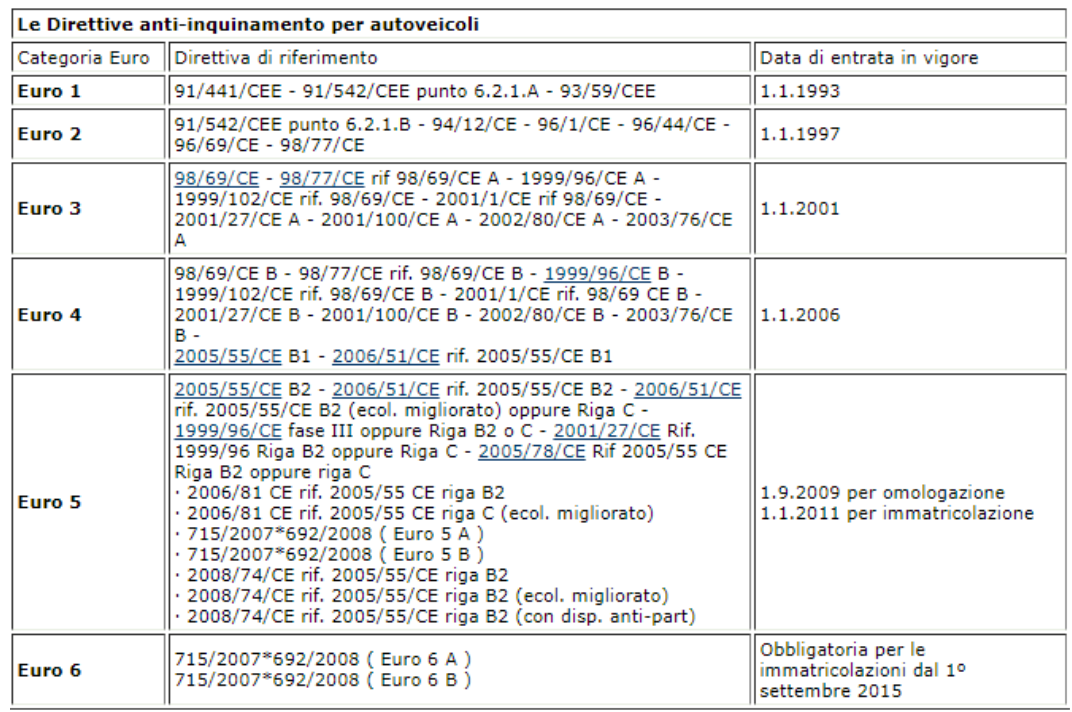
If you don’t have the registration certificate at hand, you can still check the car’s Euro class by license plate using official online services. In just a few seconds, you can access the vehicle’s main data, including its environmental classification.
Alternatively, especially for older vehicles, you can contact the dealer or consult the manufacturer’s documentation to get precise confirmation.
Partnership Centro Porsche Trento & Istituto Professionale ENAIP di Trento
Settembre significa anche nuovo anno scolastico e una collaborazione che si rinnova

Car tax 2027: exemption arrives for cars up to 80 kW
From compact cars to hybrid vehicles, find out which cars will be able to benefit and what the new rules provide.

Differenza tra revisione e tagliando: cosa cambia e quando farli
Tagliando e revisione non sono la stessa cosa. Scopri le differenze, quando farli, cosa viene controllato e perché sono importanti per la tua auto.
Partnership Centro Porsche Trento & Istituto Professionale ENAIP di Trento
Settembre significa anche nuovo anno scolastico e una collaborazione che si rinnova
Car tax 2027: exemption arrives for cars up to 80 kW
From compact cars to hybrid vehicles, find out which cars will be able to benefit and what the new rules provide.

Charging Station Bonus 2026: how the contribution for home charging works
Find out how the Charging Station Bonus 2026 works for the purchase and installation of charging systems for electric cars. Requirements, amounts, deadlines, and how to access the contribution for home charging.

Audi A2 e-tron: the new expression of Audi electric mobility
Up to 646 km of range, four power levels and state-of-the-art technology: discover the new dimension of Audi electric mobility.

New Audi S3: performance, technology and Audi character
The new Audi S3 Sportback and Sedan range is refreshed with 333 hp, quattro drive, an advanced digital environment and new driver assistance systems.
Differenza tra revisione e tagliando: cosa cambia e quando farli
Tagliando e revisione non sono la stessa cosa. Scopri le differenze, quando farli, cosa viene controllato e perché sono importanti per la tua auto.

Customer Notice: Merger by incorporation of PWP S.r.l. into Eurocar Tech S.p.A.
As of September 1, 2026, the merger by incorporation of PWP S.r.l. into Eurocar Tech S.p.A. will become effective. Read the official notice

New Audi Q9: the pinnacle of the Audi SUV range is ready to conquer the road
The new Audi Q9 debuts as the flagship of the Audi SUV range, a concentration of design, technology and comfort that redefines the concept of premium mobility.


