Notizie
Cayenne Days | Centro Porsche Brescia


Every customer has different needs, and we are here to guide you in making the best choice.
Our virtual assistant guides you in choosing the perfect car for you. Discover promotions, compare configurations, and get all the information you need quickly and easily.
AI Assistant
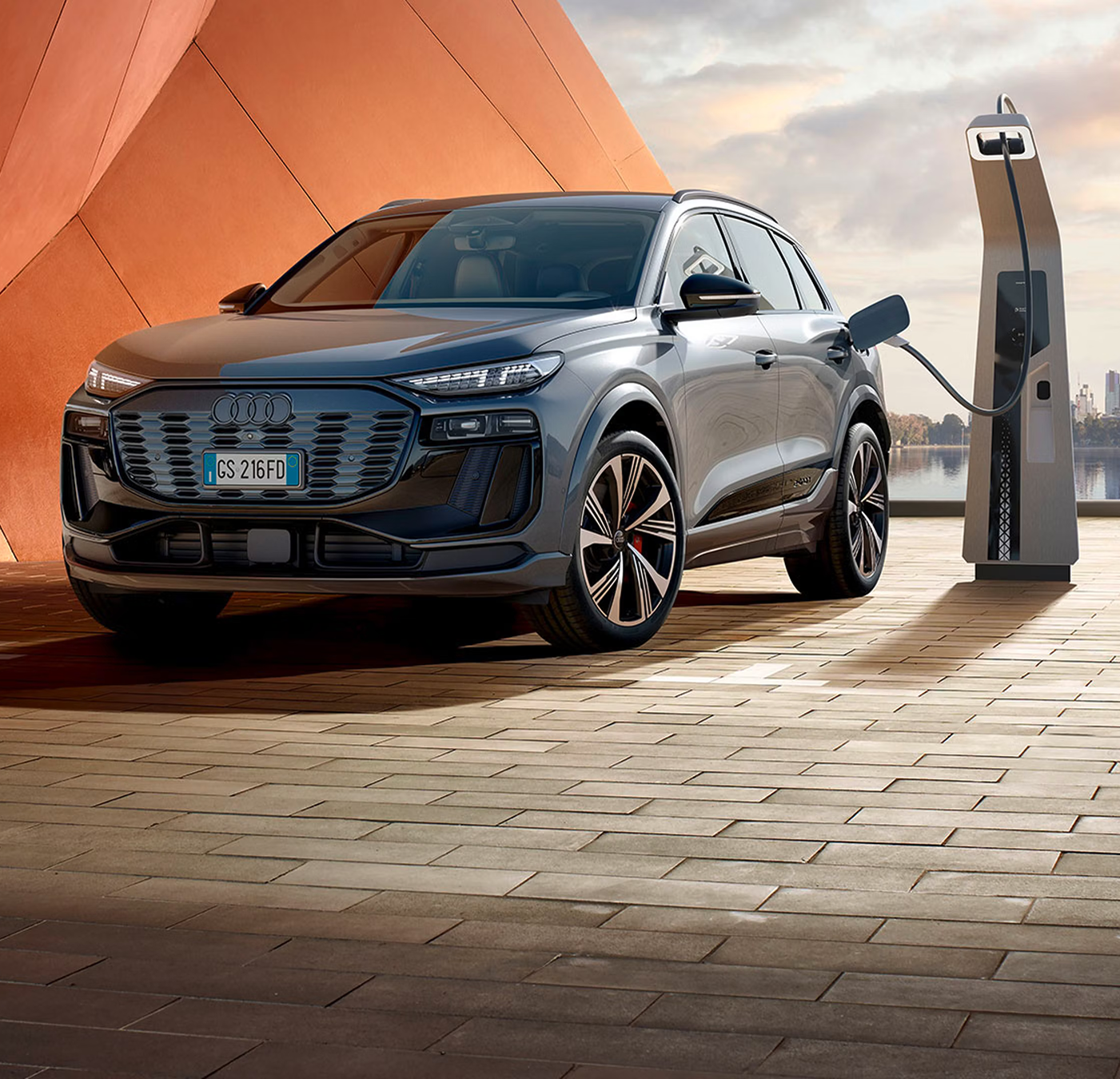
Vuoi più informazioni sull'Audi Q6 e-tron?
AI Assistant
L'Audi Q6 e-tron è un SUV elettrico basato sulla piattaforma PPE, con autonomia fino a circa 600 km WLTP e ricarica ultrarapida a 270 kW. Vuoi che ti elenchi gli optional principali?
AI Assistant
Con le colonnine HPC (High Power Charging) la Q6 e-tron può ricaricare dal 10% all'80% in circa 21 minuti. A casa, con una wallbox da 11 kW, una ricarica completa richiede circa 8 ore. Tra gli optional principali trovi pacchetto S line, sedili sportivi, impianto audio Bang & Olufsen e il Digital Light con proiezioni interattive.
Cayenne Days | Centro Porsche Brescia
Porsche è da sempre sinonimo di sportività ed innovazione. Nuova Cayenne Elettrica esalta questo connubio apportando comfort e grinta, dimostrando di essere un SUV in grado di regalare una guida senza compromessi.
Discover more
Eurocar è Premium Partner alla Giornata della Terra a Torino
Confronto, consapevolezza e innovazione: sono questi i temi che hanno guidato la nostra partecipazione come Premium Partner alla Giornata della Terra Torino 2026.
Discover more
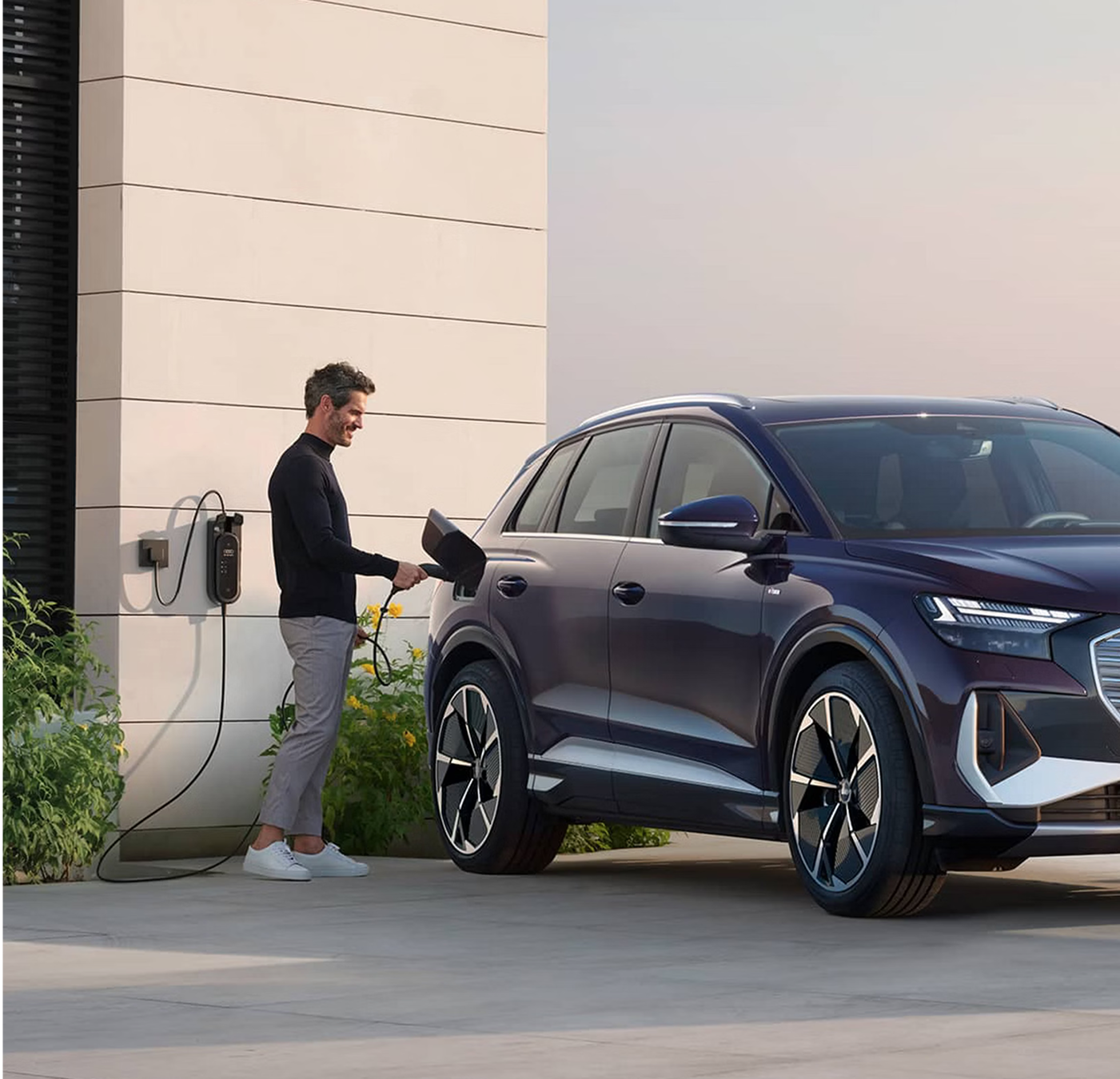
New Audi Q4 e-tron: more range, technology and design for the electric SUV
Audi updates the Q4 e-tron with greater range, faster charging and an advanced digital ecosystem, strengthening its offering in the electric SUV segment.
Discover moreMHEVs are mild hybrid cars: the electric system supports the combustion engine in certain driving phases, but does not allow for true 100% electric driving. PHEVs are plug-in hybrids: they combine a combustion engine and an electric motor, with a larger battery that can also be recharged at a socket or charging station. BEVs, finally, are fully electric vehicles: they do not have a combustion engine and move solely thanks to the energy stored in the battery.
A traditional hybrid car charges its battery while driving, during braking or coasting, without needing to connect to an external source. A plug-in hybrid, on the other hand, can also be charged via a household outlet or public charging station and offers a greater ability to travel electrically on daily trips. It is a particularly interesting solution for those who want to approach electric mobility while maintaining the flexibility of the combustion engine.
In Italy, as of December 31, 2025, there were 73,047 publicly accessible charging points installed, showing significant growth compared to the previous year. This figure confirms the constant expansion of the network and an increasingly widespread distribution of infrastructure dedicated to electric mobility.
Not necessarily. In many cases, an electric car can be a viable choice even without a home wallbox. The decision depends on how much you use the car, the availability of charging points near your home or workplace, and the type of journeys you undertake daily. Having a private charging solution is certainly convenient, but it's not the only possible scenario for switching to electric.
In everyday life, an electric car can offer a smoother, quieter, and more immediate drive, as well as a simpler user experience in many urban and suburban contexts. For many drivers, the most appreciable benefits concern comfort, ease of charging, driving quality, and a more advanced approach to mobility. However, the real advantage is not the same for everyone: it emerges when the chosen technology truly aligns with one's lifestyle, travel distances, and way of using the car.
Low temperatures can affect the range, as is generally the case with all battery systems. However, this does not make the electric car unsuitable for daily use during winter. Rather, it means that real range, climate control, route, and driving style need to be considered more carefully. Understanding these aspects helps to use the vehicle better and to choose the solution that best suits one's mobility style.
It depends on the model and driving style: today, most electric cars offer a range between 300 and 500 km, with higher mileage in the city thanks to energy recovery during braking.
You can charge at home with a wallbox or at public charging stations available in the area.
The time varies depending on the charging power: from slow home charging to fast charging stations.
There are incentives and deductions available that vary according to current regulations and the type of vehicle.
Modern batteries maintain good performance for many years and miles thanks to thermal management systems and manufacturers' warranties.